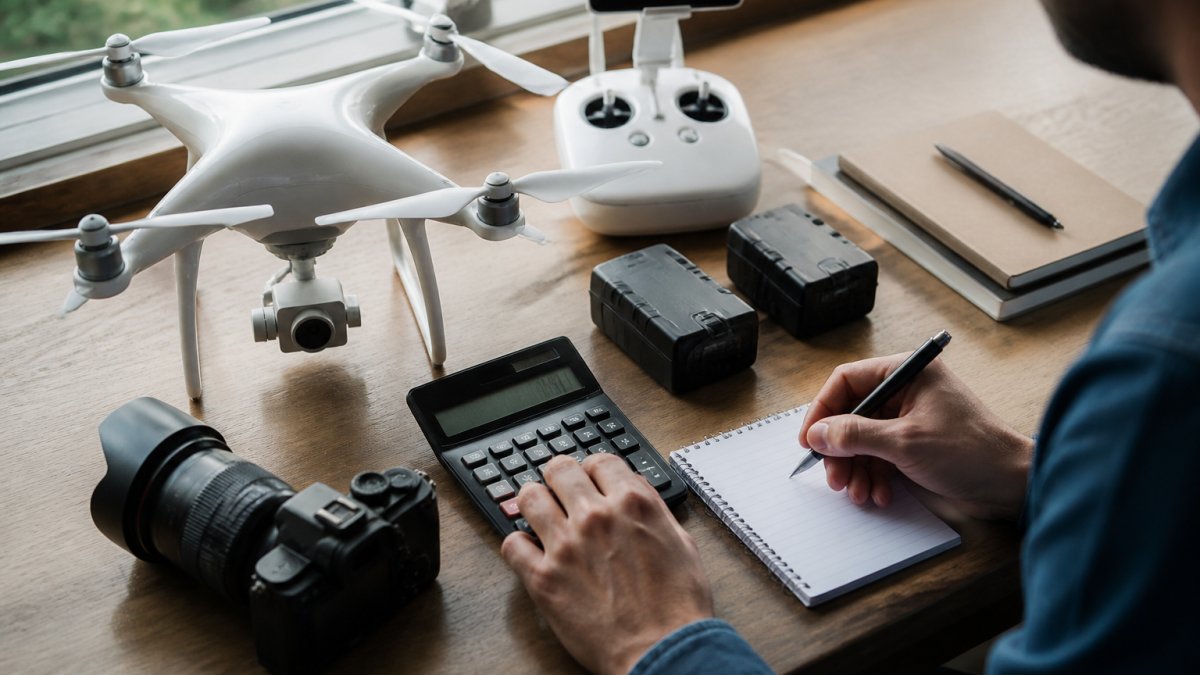
How Much Does Drone Photography Cost in 2026
Table of Contents
- Typical Drone Photography Price Ranges
- Drone Real Estate Photography Pricing Explained
- Drone Photography Cost Per Hour and Session Rates
- Understanding Drone Photography Packages
- What Factors Affect Your Drone Photography Quote
- What's Included in Your Quote and Hidden Costs
- How to Request and Compare Drone Photography Quotes
- Frequently Asked Questions
Last Updated: October 6, 2026
Typical Drone Photography Price Ranges
Drone photography cost varies widely by need and provider, from a few hundred to several thousand dollars per session, reflecting differences in equipment, expertise, and deliverables.
Most drone photographers charge per session, per hour, or per project.
You're paying for experience, equipment, editing, and licensing rights, not just flight time.
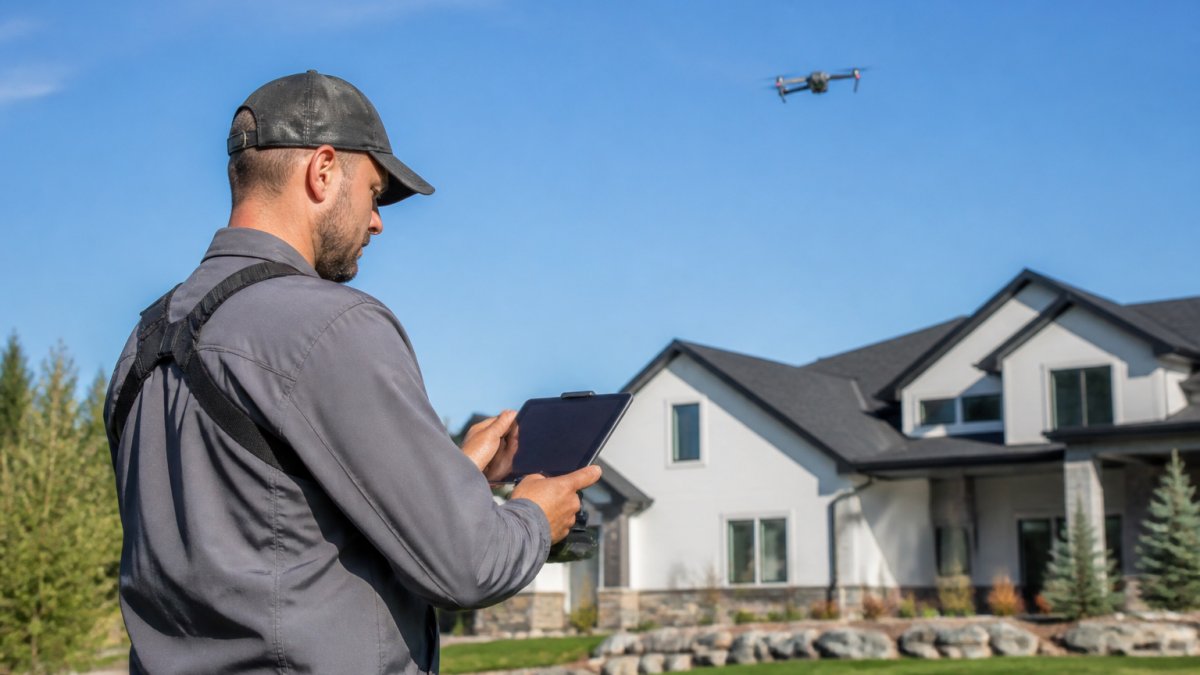
Drone Real Estate Photography Pricing Explained
Real estate is the largest and most standardized category of drone photography work, so you can predict a typical listing shoot's cost once you know what drives it up or down.
How real estate drone pricing is structured
Most real estate drone work is sold as a package bundling a defined number of edited aerial photos, turnaround, and usage license. The package price is the base; everything else is an add-on.
A common pattern is three tiers:
- Basic aerial package: a small set of edited exterior aerials, standard turnaround, listing use only.
- Standard package: a larger set of edited aerials plus ground-level exterior and interior photos, faster turnaround, listing and marketing use.
- Premium package: aerials, ground photos, a short video clip or compilation, priority turnaround, and broader usage rights.
Tiers exist because deliverables scale, not flight time. Basic and premium shoots of the same house often involve nearly identical flight time; the difference is editing volume, video, and licensing.
What actually moves the price
Property size and complexity. A standard suburban home is the baseline.
Location and access. Open terrain is straightforward.
Deliverable count. Edited image count is the clearest cost driver, since editing is where the labor is.
Video. A short aerial clip or compilation adds editing time and is usually an add-on or bundled into the premium tier.
Turnaround. Standard turnaround is often a few business days.
Travel. Most photographers include travel within a set radius and charge per mile beyond it.
What a real estate quote should include
A complete real estate quote should specify the number of edited aerial photos, any ground-level photos, video deliverables, turnaround time, revision rounds, usage license (listing only, marketing, or full commercial), travel radius and per-mile rate beyond it, and any rush fee.
If a quote omits the usage license, ask directly: listing use and commercial marketing use are different rights, and a listing-use quote may not cover a paid advertising campaign.
Add-ons that commonly appear on the invoice
- Rush delivery
- Additional edited images beyond the package
- Video editing or compilation
- 3D tours or mapping
- Twilight or golden-hour scheduling
- Re-flights due to weather or changed property conditions
- Extended or commercial licensing
A low base price with a narrow license can end up costing more than a higher base price with broad rights, because you may have to pay again to license the same images for marketing or advertising. Compare the license, not just the number.
Scope-based examples
Because exact prices vary by market and photographer, compare scope rather than absolute numbers:
- A single standard residential listing with a basic aerial package sits at the low end of the real estate range.
- The same listing with a standard package including ground photos and faster turnaround sits in the middle.
- A premium package with video and broad usage rights sits at the high end.
- A large estate or multi-structure property pushes above the standard range because of capture and editing time.
- A multi-property shoot for a brokerage is usually priced per property at a discount, or as a day rate.
Working with the same photographer repeatedly
Real estate professionals who list frequently often negotiate standing or volume rates with one photographer, cutting per-listing cost and producing a consistent visual style.
The bottom line for real estate
Real estate drone pricing is predictable once you separate the base package from add-ons and licensing. The base covers a defined set of edited deliverables at a defined turnaround for a defined use; rush delivery, extra images, video, and broader licensing are where the invoice diverges from the quote. Get it all in writing before you book.
Drone Photography Cost Per Hour and Session Rates
Drone photography quotes are hard to compare because photographers quote in different units: hourly, flat session, per-project, or day rate. Until you convert them to the same scope, the numbers are meaningless side by side. Here is how each unit behaves, and where the hidden math lives.
Hourly rates
Hourly pricing is the most flexible and most misunderstood. The clock often starts when the photographer arrives, not when the drone lifts off, so setup, pre-flight checks, battery swaps, and packing bill at the same rate as flight time.
A typical residential shoot involves 15 to 25 minutes of flight time but 60 to 90 minutes on site.
Session rates
A session rate is a fixed price for a defined scope: a set number of edited images, turnaround, and usage license. This is the unit most real estate agents buy, because the deliverable is predictable.
When comparing session quotes, compare deliverables, not the headline number. A session with 15 edited photos and a 5-day turnaround is not the same product as one with 40 edited photos, a video clip, and 24-hour delivery, even at similar prices.
Per-project and day rates
Per-project pricing shows up on larger jobs: construction progress documentation, agricultural mapping, roof and infrastructure inspections, and multi-property shoots. The photographer scopes the job, quotes once, and absorbs weather delays and re-flights.
Day rates are common for multi-site work, covering a set number of hours on site plus a defined deliverable, with travel and editing billed separately or bundled. If your project spans several nearby locations, a day rate is almost always cheaper than stacking session fees.
Normalizing the units so you can compare
To compare quotes fairly, convert everything to cost per delivered, edited image and cost per finished deliverable:
- Write down the total quoted price, including travel and any add-ons.
- Write down the number of edited images and any video deliverables included.
- Divide total price by edited images to get a per-image cost.
- Note the turnaround time and the usage license.
- Note the number of revision rounds included.
Two quotes can land at the same per-image cost but differ wildly on turnaround and licensing. The license is often the biggest hidden variable: a cheap per-image quote may restrict you to listing use, while a slightly higher quote includes the commercial rights you need.
Ask every photographer for a written quote that lists the pricing unit, the on-site time included, the number of edited deliverables, the turnaround, the revision rounds, and the usage license. If any of those is missing, the quote is not comparable yet.
CALL Clear Focus Imaging TODAY →
Minimums, travel, and the real floor price
Almost every photographer has a floor. A minimum booking fee covers the fact that a 20-minute flight still requires travel, setup, insurance, and editing time, usually expressed as a minimum session fee or billable hour count.
Travel is the other common floor-raiser. Some include travel within a set radius and charge per mile beyond it; others build it into the hourly rate. Ask for the radius and per-mile rate in writing, because a shoot 90 minutes away can add more than the flight itself.
A worked comparison
Suppose Photographer A quotes an hourly rate with a two-hour minimum and 10 edited images, Photographer B a flat session fee with 30 edited images and a video clip, and Photographer C a day rate covering up to four nearby properties.
For one house, Photographer A's two-hour minimum may be more than you need and Photographer B's session may fit better. For four houses in one afternoon, Photographer C's day rate is usually cheapest per property, since travel and setup are amortized across all four.
Understanding Drone Photography Packages
Photographers typically offer tiered packages to match budgets and needs. A starter package might include basic aerial photos with standard editing; a premium package adds video, more photos, and faster delivery.
What's included matters more than the price itself.
Package tiers let you scale up or down based on budget. Pick the package matching your actual needs, and ask about adding specific services if the standard tiers don't fit.
What Factors Affect Your Drone Photography Quote
Several factors change the final price. Understanding them helps you anticipate costs and get accurate quotes.
Project Complexity and Location
Complex projects cost more. A simple property walkthrough takes less time than a detailed inspection of a large facility or agricultural property. Inspections of towers, roofs, or industrial equipment require specialized skills and sometimes special permissions.
Location complexity matters too. An accessible residential property is straightforward; one surrounded by trees, power lines, or obstacles requires more careful planning and takes longer. Challenging weather can delay shoots or require rescheduling.
Travel Distance and Permits
Travel adds cost. If the photographer drives two hours to reach your location, that time factors into the quote. Some charge a flat travel fee; others include it in their hourly rate.
Permits and airspace restrictions vary by location. Flying near airports, over populated areas, or in restricted airspace requires special authorization. The photographer handles this, but the cost may pass to you, and in some cases you may need to obtain permits yourself.
Post-Production and Editing
Editing time is a major cost driver. Raw drone footage needs color correction, stabilization, and sometimes advanced editing. A simple edit costs less than complex color grading or video compilation.
The number of images delivered affects editing time: fifty edited photos takes longer than twenty, and video compilation and color grading add significant time. Ask what editing is included and what costs extra.
What's Included in Your Quote and Hidden Costs
A clear quote lists everything included, preventing surprises when the final invoice arrives.
Standard inclusions typically cover flight time and aerial photography, basic image editing and color correction, delivery of edited files, and a set number of revised versions.
Ask the photographer to specify exactly what you get: how many images, what format, how long until delivery, and whether you can use them commercially. These details change the real value of the quote.
How to Request and Compare Drone Photography Quotes
Getting the right quote starts with clear communication: the more specific you are about your needs, the more accurate the quote.
When you request a quote, include:
- The property address or location
- What you need photographed (entire property, specific areas, video, still photos)
- Deadline for delivery
- How you plan to use the images (real estate listing, marketing, inspection)
- Any special requirements (video compilation, 3D work, mapping)
- Budget range if you have one
Comparing quotes requires looking beyond price.
Ask each photographer about their experience with your specific project type.
At Airborne Assets LLC, we work with clients to understand exactly what they need before quoting.
Request quotes from at least two or three photographers. Compare not just price but the complete package.
Drone photography pricing depends on what you're actually buying.
Frequently Asked Questions
How much do drone photographers typically charge for a single session?
Drone photography cost per hour varies widely based on experience level and project type. Many photographers offer per-project pricing instead of hourly rates, which can be more predictable for your budget. Request a quote tailored to your specific needs.
What's included in a typical drone photography package?
Standard drone photography packages usually include aerial images from your property, basic editing of those photos, and delivery in digital format. Starter packages might include a set number of edited images, while premium packages offer more images with advanced editing, multiple angles, and sometimes video compilation. Many packages also include a site visit and flight time. Additional costs may apply for rush delivery, extensive post-production, 3D mapping, video editing, or commercial licensing. Always confirm what deliverables are included before committing.
How much does drone photography cost for real estate listings?
Real estate drone photography pricing depends on property size and complexity. The final cost depends on the number of edited images, video length, travel distance, and turnaround time. Contact a local drone service for a free consultation and quote specific to your listing needs.
What factors should I consider when comparing drone photography quotes?
When evaluating quotes, compare the number of edited deliverables, editing quality, travel fees, turnaround time, and licensing rights. Ask whether permits, insurance, and compliance costs are included or billed separately. Verify the photographer's experience level, equipment quality, and portfolio. Request a detailed breakdown of what's included versus add-ons. The cheapest quote isn't always the best value, prioritize photographers who understand your specific use case, whether real estate, construction documentation, agricultural inspection, or facility management.
